
COLUMN
Column
A column where we share thinking and stories around ERP, business improvement and DX. We share the context behind system adoption and decision-making in plain language.
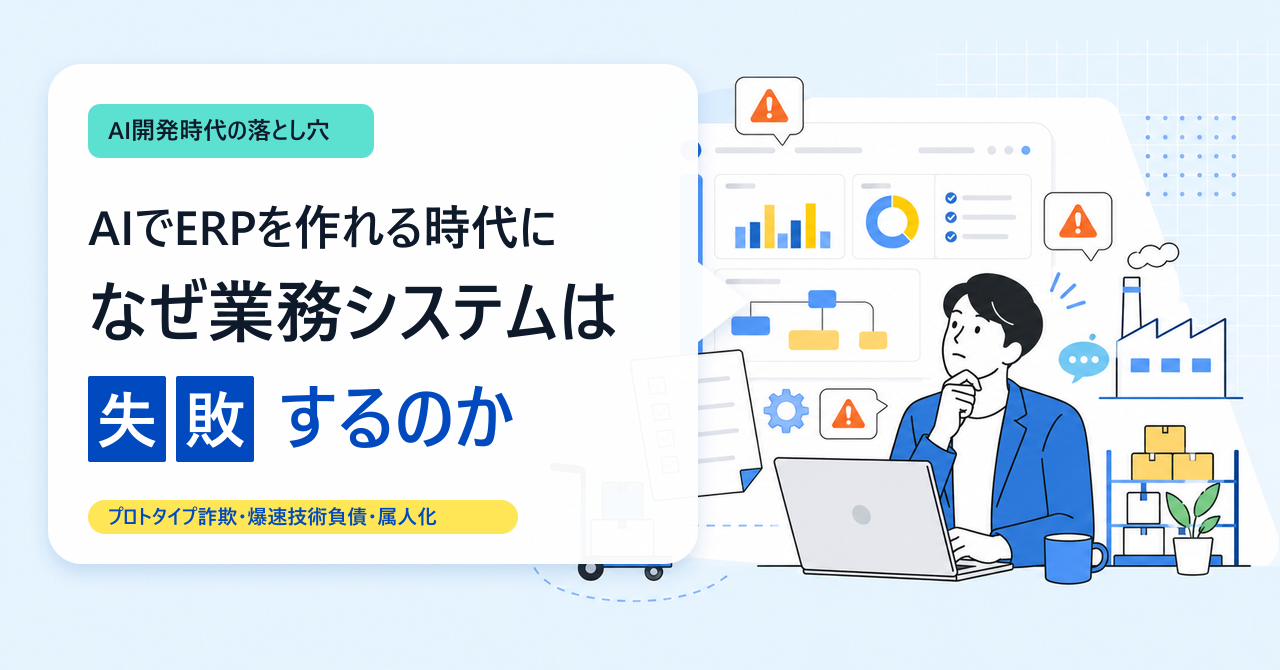
In an age where ERP systems can be created with AI, why do business systems still fail?
AI has made it possible to quickly create prototypes of business systems. However, in production environments, we often stumble over issues such as multi-user access, exception handling, permissions, change history, external integration, and maintenance. This article explains common pitfalls in AI development and the significance of using ERPNext.JP as a launching pad, in a way that is easy to understand even for those unfamiliar with systems.
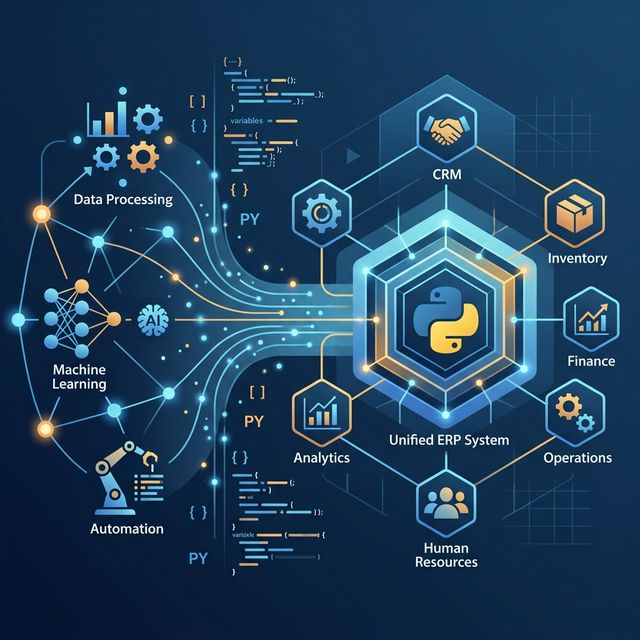
In the age of AI, ERP is shifting from "buying" to "creating" — the shortest route.
Open-source ERP and AI make in-house development of core systems a realistic solution. Purchase the Python-based ERPNext source code and cultivate your own ERP system through AI pair programming—the shortest route to success. Includes safety features through test code and ongoing support.
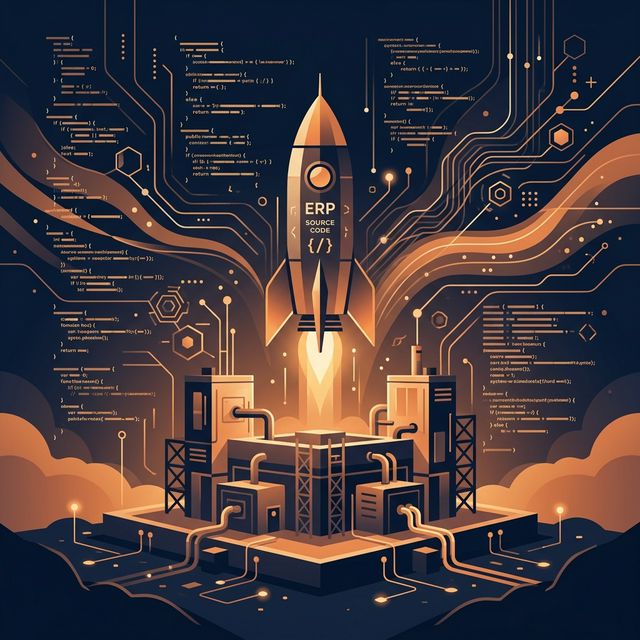
Launching pad for in-house ERP development — ERPNext.JP source package
ERP development in-house by purchasing source code is possible thanks to open-source ERP. We offer a package including the complete ERPNext source code (compliant with Japanese business practices), test code, and ongoing support. A launching pad for companies that find it difficult to build from scratch.
![[Case Study Revealed] ERP Implementation Costs in Real Figures — a Fixed-Scope PoC, then Own the Entire Source Package (Open Source / ERPNext)](/images/documents/solution/cost-estimate/erp_cost_eyecatch.png)
[Case Study Revealed] ERP Implementation Costs in Real Figures — a Fixed-Scope PoC, then Own the Entire Source Package (Open Source / ERPNext)
ERP implementation costs, in real figures. With heavy reuse of ERPNext's standard modules and thorough automation (CI/CD), total work time is roughly halved (600-700h to ~350h). A fixed-scope, fixed-price PoC lets you verify usability with real data, then own the entire source package outright. Contact us for pricing.
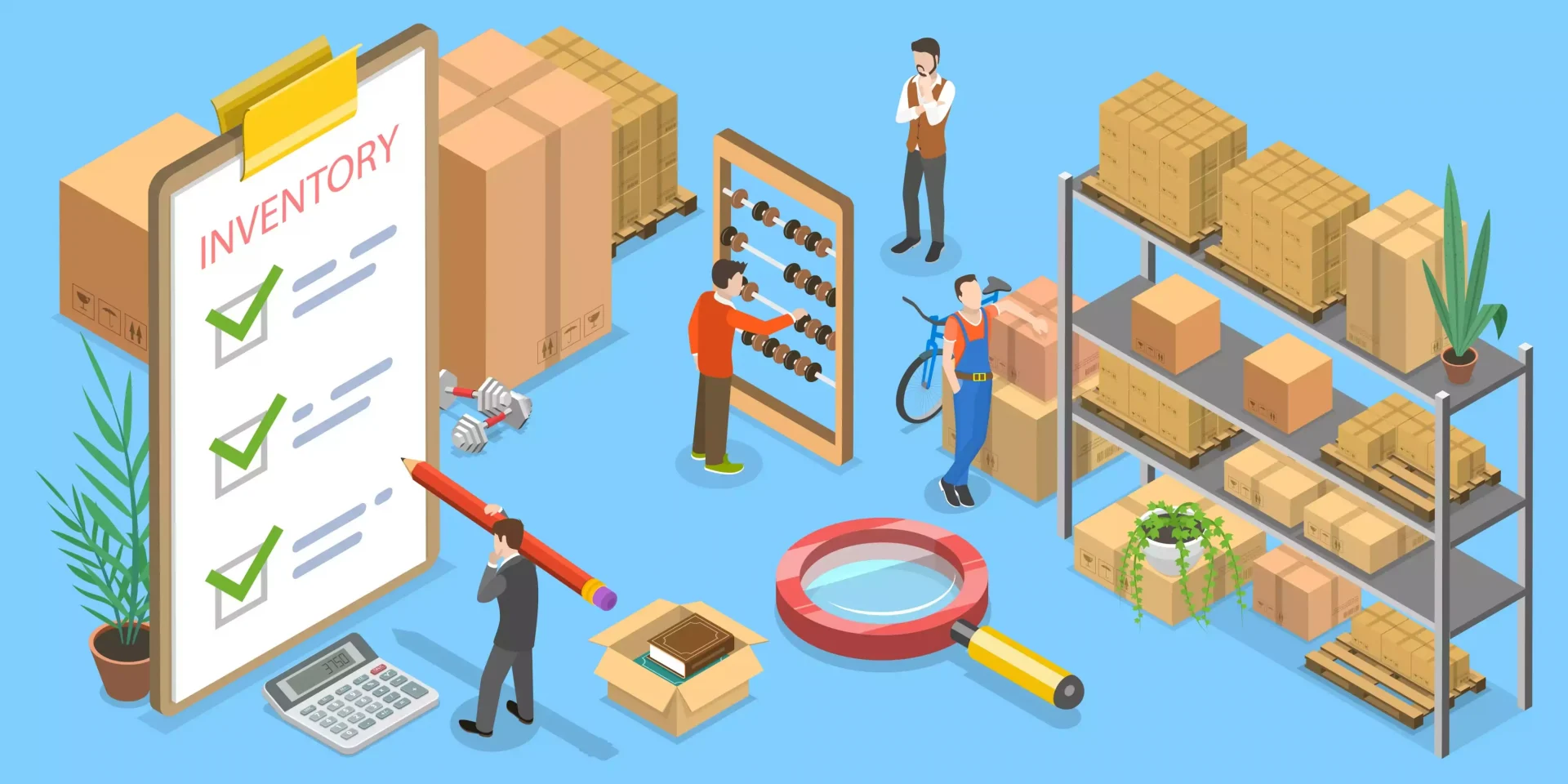
FAX, EDI, EC — Even if orders are scattered, ERP brings them together into a single "line."
Centralized order management across multiple channels, including fax orders, EDI, and e-commerce marketplaces, and automation from shipping to invoicing. Integrated ERP for small and medium-sized food processing and parts manufacturers — the full source code is handed over so you own it as your asset.
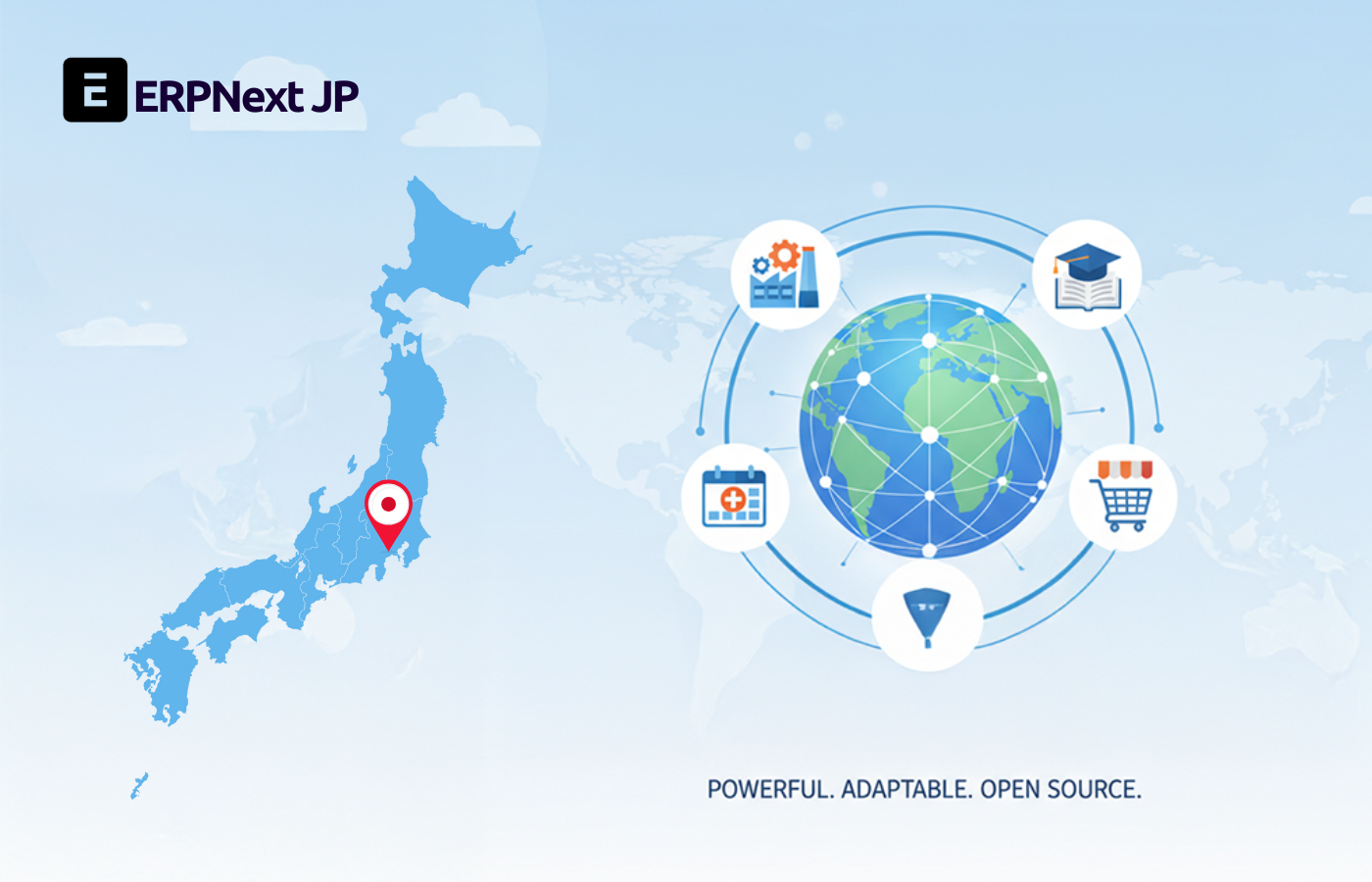
Can ERPNext be used by Japanese companies? The challenges of implementation, and how to get started with full source handover
This article explains the challenges of implementing ERPNext in Japan (tax regulations, forms, translation) and the features of ERPNext.JP, which solves these issues with full source handover, starting from a fixed-scope PoC. A 14-day free demo is available. Contact us for pricing.

Eliminating the problem of "things coming to a halt without that person" — Achieving de-personalization with ERP
This article explains the risks of concentrating work on specific individuals and provides concrete measures for transforming that work into organizational knowledge using ERP systems. It aims to reduce handover costs and improve the visibility of business processes.