TIPS
Knowledge content covering ERPNext.JP from the basics through evaluation, operation and customization.
Fundamentals, comparisons, case studies and technical references — organized so you can find what matters when adopting and using ERPNext.
Getting Started
(9 articles)![What is Open Source ERP? A Thorough Comparison of its Mechanism, Benefits, and Top 5 Products [2026 Edition]](/images/documents/erp_eyecatch_google_d_1774357580557.png) 15 min
15 minWhat is Open Source ERP? A Thorough Comparison of its Mechanism, Benefits, and Top 5 Products [2026 Edition]
This guide provides a thorough explanation of how to choose the right open-source ERP system, from the fundamentals of open-source ERP to a comparison of the features and architectures of five major products (ERPNext, Odoo, etc.), and even covers Japan-specific implementation risks (invoices, vendor lock-in).
 15 min
Q&A Guide
This is a comprehensive FAQ that organizes frequently asked questions about ERPNext and ERPNext.JP by implementation phase, theme, and actual challenges.
 9 min
9 minWho is Frappe, the company behind ERPNext? — Founding story and future vision
An introduction to Frappe Technologies, the developer of ERPNext: company profile, flagship services, and the founder's formative experience. Understanding their philosophy of 'democratizing ERP' will change how you evaluate the product.
Use Cases
(7 articles) 8 min🔥 Popular
A demand forecasting calendar to solve the problems of "overproduction" and "shortage" in make-to-stock production.
This explains the mechanism of the demand forecasting calendar that runs on ERPNext. It automatically calculates the optimal production increase quantity for e-commerce sales, reducing waste and lost sales opportunities.
 8 min
8 minkintone × ERPNext Combined Guide — The Best Combination for Making the Most of Your Data
Continue using kintone while integrating inventory, accounting, and manufacturing management with ERPNext. This article clearly explains three patterns for using kintone + ERPNext together and compares their costs.
 5 min🔥 Popular
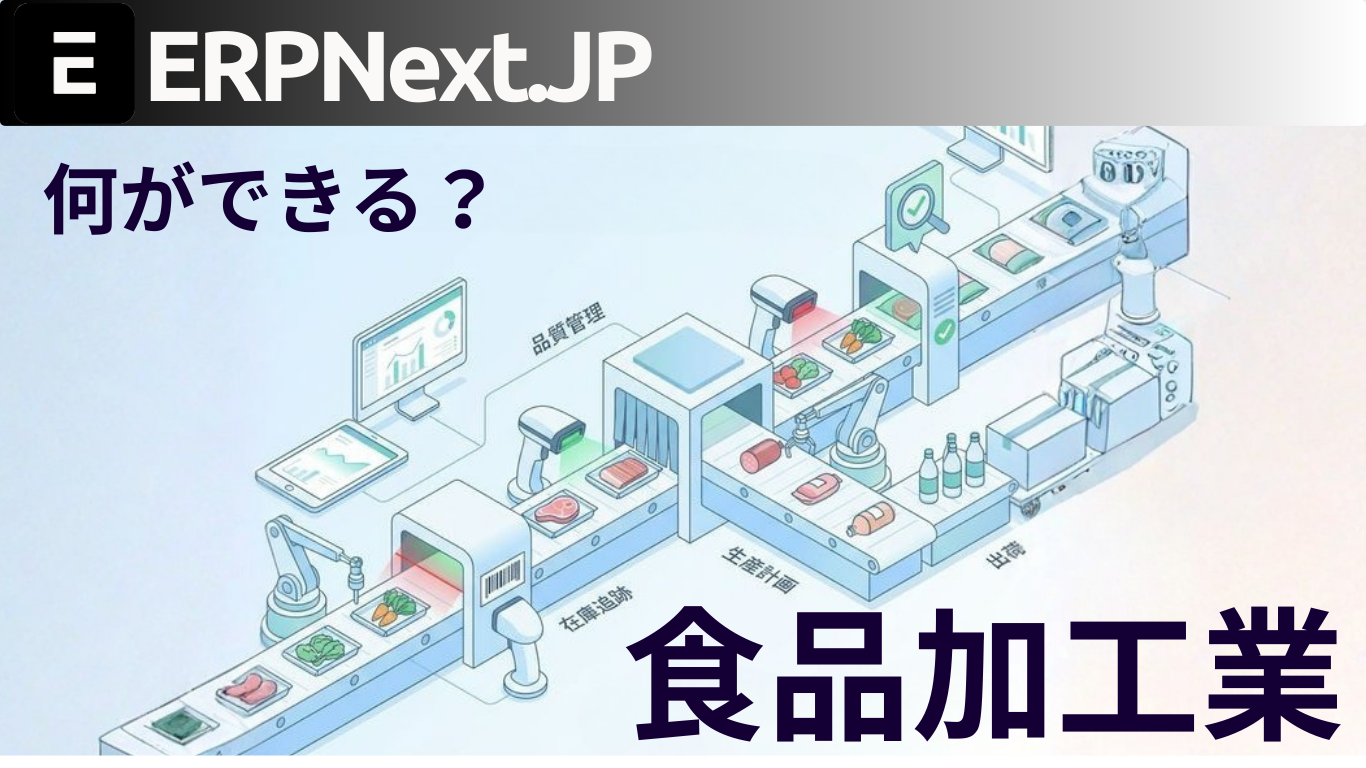
From order placement to shipment, everything is visible. Integrated ERP for the food processing industry.
This article explains the features of ERPNext.JP, which is specifically designed for the food processing industry. It supports FAX-OCR order import, barcode data entry, lot tracking, and monthly cost calculation as standard features, plus Japanese specifications.
Customization
(7 articles) 6 min
6 minComplete control over the input screen — A guide to using client scripts
This guide explains, with practical examples, how to implement form auto-filling, display control, and validation using ERPNext client scripts. Basic JavaScript knowledge is all you need to get started.
 6 min
6 minFull-scale expansion is done with custom apps — the basics of ERPNext expansion development
This guide explains how to implement complex logic that cannot be handled by server scripts as an application. You will learn how to proceed with secure extension development separate from the ERPNext core.
 7 min
7 minAdd fields without coding — customize fields to fit your business.
This guide shows you how to add new input fields to the ERPNext screen without coding. You'll learn how to use various field types such as text, date, select, and link.
Features
(4 articles) 15 min
Five challenges in food processing and manufacturing sites that can be solved with the process performance registration screen.
Say goodbye to "Excel, paper, and handwritten" methods in food processing and manufacturing. Our open-source ERP system solves five challenges: visual checks, quality recording, container management, traceability, and ease of use.
 8 min
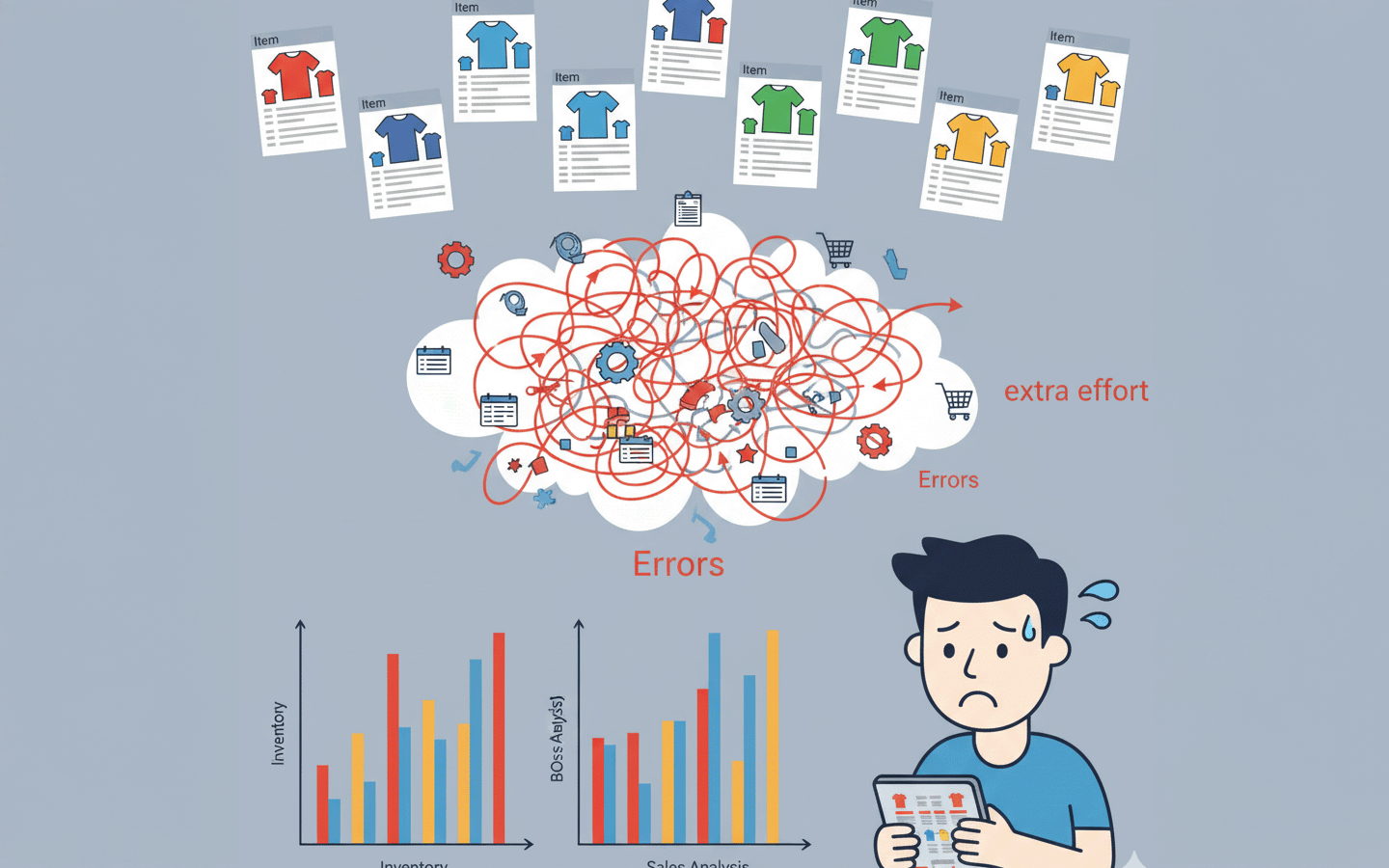
8 minCentralized management of size and color variations — How to use the item variant function
How to manage variations in size, color, and specifications of the same product using ERPNext? This guide explains the setup procedure and operational tips for the variant function, complete with screenshots.
 5 min
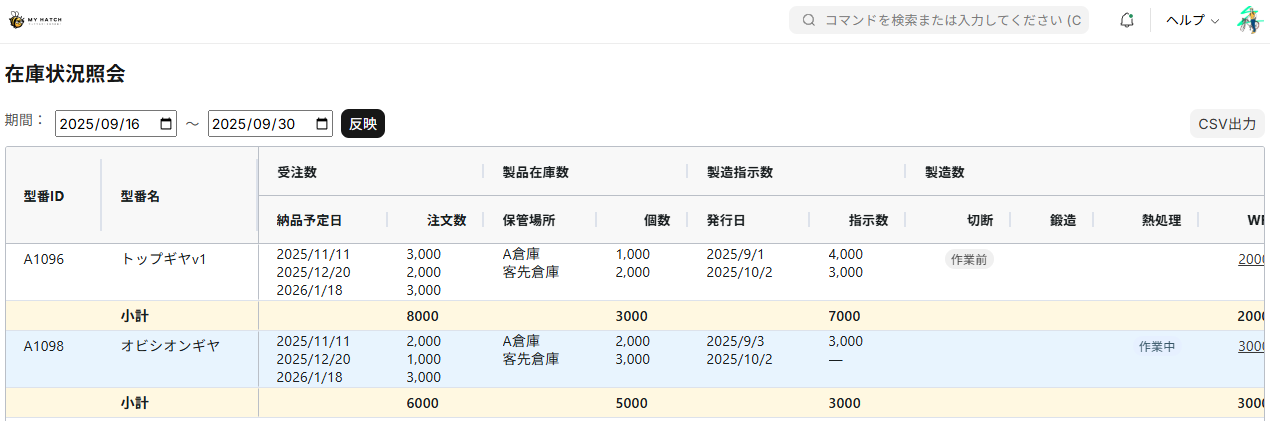
5 minView inventory in an Excel-like format — ERPNext.JP's inventory status inquiry screen
Introducing an inventory inquiry screen that's intuitive even for those familiar with Excel. The item x warehouse matrix display visualizes inventory status in real time.
Implementation
(5 articles) 9 min
9 minCan you really implement your system using the free ERPNext? — An honest evaluation using a 45-item rating system.
ERPNext is globally recognized as a "free, open-source ERP," but there are areas where the original standard alone is insufficient to fully implement it in the operations of Japanese companies. This 45-item rating chart visualizes the gap between the ERPNext standard and ERPNext.JP, and honestly explains three common pitfalls in the age of AI development, as well as the perspectives necessary to move forward with implementation.
![[Free & Open Source] How to set up ERPNext in Japanese in 5 minutes — ERPNext.JP Starter released (v16, Docker, MIT)](/images/documents/erpnext-jp-starter/hero-5min.png) 6 min
6 min[Free & Open Source] How to set up ERPNext in Japanese in 5 minutes — ERPNext.JP Starter released (v16, Docker, MIT)
ERPNext's Japanese starter, "ERPNext.JP Starter," is now available on GitHub. It launches Frappe/ERPNext v16 in 5 minutes using a Docker container, includes 17,739 translation dictionary entries tailored to Japanese business practices, and is licensed under the MIT license. Compatible with both Windows and Mac, it provides easy-to-follow instructions even for those unfamiliar with IT.
![Average Costs for ERP Implementation [2026 Edition]: Includes a Comparison Table of All 11 Products](/images/documents/implementation/erp-cost-guide/erp-cost-guide-hero.png) 7 min
7 minAverage Costs for ERP Implementation [2026 Edition]: Includes a Comparison Table of All 11 Products
The typical cost of implementing an ERP system in a manufacturing company with 30 employees is between 2 million and 15 million yen over 5 years (Total Cost of Ownership). This guide includes a comparison table of three types (cloud, on-premise, and open-source), a cost list for 11 major products, and a 15-item checklist to prevent budget overruns.
Technology
(2 articles) 10 min
Is it okay even with 1,000 users? — ERPNext Load Test Results Report
We've published the results of our actual tests on ERPNext's concurrent connection performance. The analysis of response time, throughput, and bottlenecks will help you determine if it's suitable for your company's scale.
 8 min
8 minERPNext's Technology Stack Explanation — A Modern Configuration Using Python, JS, and MariaDB
This guide explains the technologies ERPNext is built on, aimed at developers. You'll gain fundamental knowledge necessary for extension development, including the Frappe Framework, REST API, and real-time communication.
ERP Comparison
(4 articles) 8 min
8 minFrom Cyber Factory to Open Source ERP "ERPNext" — For Customers Considering a Switch
ERPNext.JP, an open-source ERP system that covers all the functions of Denno Kojo R3 and surpasses it in many areas. This article summarizes a comparison of its functions, the reduction of licensing costs for Oracle and other systems, and its "robust" maintainability in the AI era.
 8 min
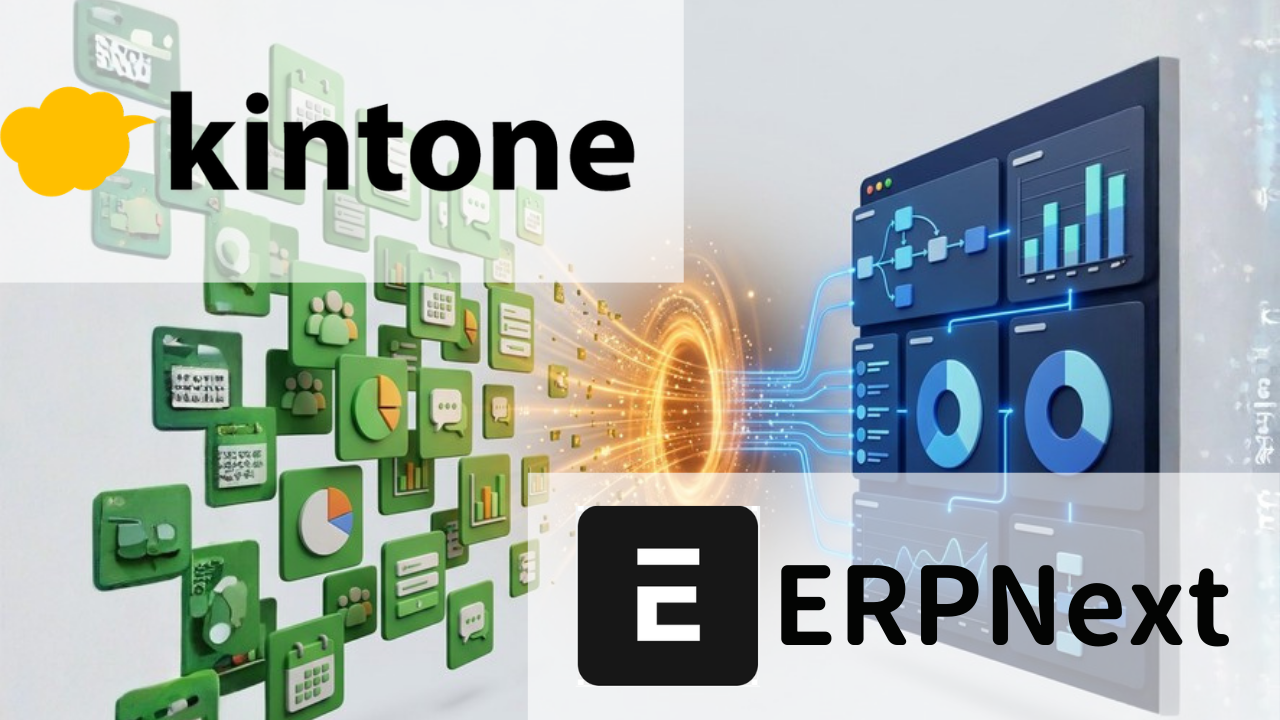
8 minBreaking the Limits of kintone — A Complete Guide to Migrating to ERPNext
Feeling the limitations of kintone for business management? This guide clearly explains how to migrate to ERPNext, which solves the problems of multiple apps, inventory management issues, and duplicate accounting entries, all at once, and includes a cost comparison.
![A thorough comparison of 5 free ERP systems [2026 Edition]](/images/documents/free-erp-comparison-hero.png) 8 min
8 minA thorough comparison of 5 free ERP systems [2026 Edition]
We've carefully selected five free ERP systems and compared their features, costs, Japanese language support, and limitations in a comprehensive overview. For those searching for "free ERP" or "open-source ERP," we'll clearly explain how to choose the right one to avoid making mistakes.