
Can ERPNext be used by Japanese companies? The challenges of implementation, and how to get started with full source handover
This article explains the challenges of implementing ERPNext in Japan (tax regulations, forms, translation) and the features of ERPNext.JP, which solves these issues with full source handover, starting from a fixed-scope PoC. A 14-day free demo is available. Contact us for pricing.
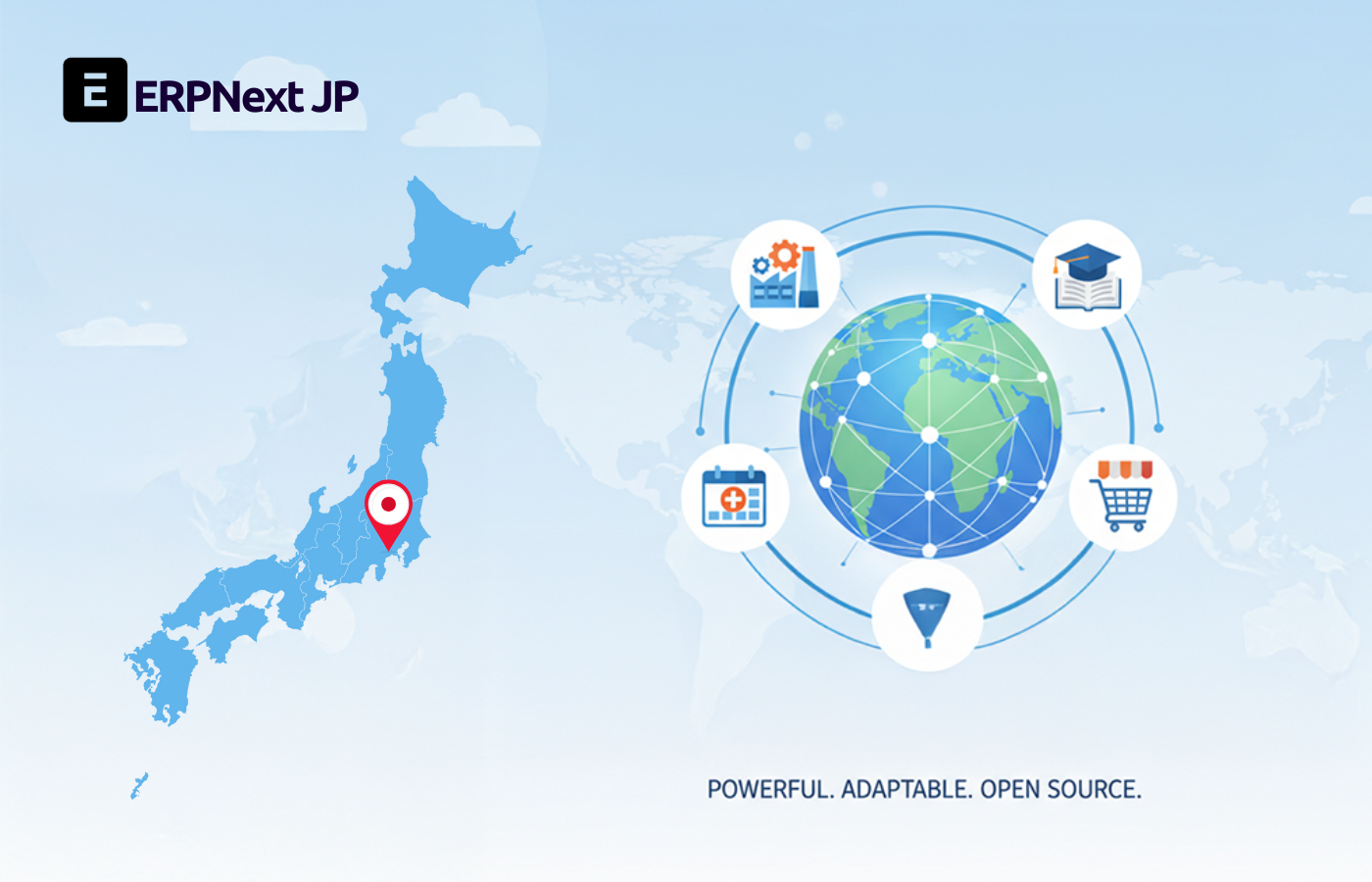
Do you have any of these problems?
"We want to implement an ERP system, but major companies charge tens of millions of yen just for the initial setup..." "Cheap cloud ERP systems lack sufficient functionality..." "I'm reaching the limits of what I can manage with Excel, but where do I even begin...?"
If you're a small business owner or IT manager, you've probably felt this way at least once.
Actually, there's an ERP that offers features comparable to major ERP systems and lets you own the entire source as your asset (or, if you'd rather have us run the servers, an optional managed cloud plan is available; contact us for pricing). That ERPNext.JP is.
This article discusses the features of ERPNext and the challenges of using it in Japan. And now, we'll introduce solutions that Japanese companies can immediately use.

1. What is ERPNext? Open-source ERP chosen by 30,000 companies worldwide
ERPNext is an open-source ERP system that has been implemented in over 30,000 companies worldwide for more than 15 years.
Production management in manufacturing, inventory and sales management in retail, academic affairs systems in educational institutions, etc. It's chosen across a wide range of industries as an "easy-to-use ERP system for on-site use."
Why are they chosen?
- Zero License Fees — Includes a wealth of standard features at no additional cost.
- High extensibility — Securely customizable with Python/JavaScript.
- Intuitive UI — Easy to use, just like Excel, and quickly adopted by the workplace.
World-class achievements
ERPNext is supported by one of the world's largest open-source communities. Updates are released every month. There's a constant stream of amazed comments like, "I can't believe this much can be done with open source!"
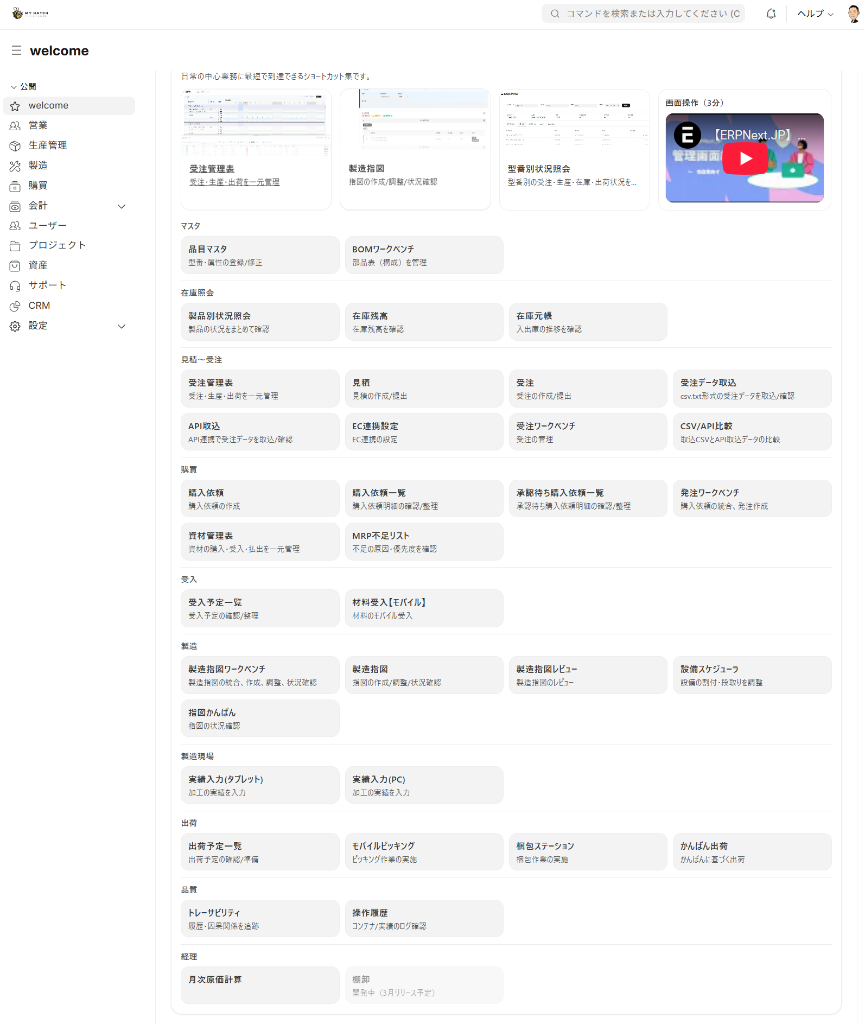
2. Here's where using it in Japan becomes problematic — 4 obstacles
ERPNext is experiencing rapid growth overseas, If you try to use it in Japan as is, you will encounter several obstacles.
| Problem | Content | Solution in ERPNext.JP |
|---|---|---|
| Tax System Compliance | Incomplete support for consumption tax, reduced tax rates, and the invoice system | ✅ Standard tax templates for Japan included |
| Document Format | Invoices and delivery slips differ from Japanese business practices | ✅ Japanese-style documents provided at no extra cost |
| Japanese Translation | Menus and error messages are unnatural | ✅ All screens have been translated into natural-sounding Japanese |
| Support System | Limited information and support partners in Japanese | ✅ Comprehensive Japanese support and implementation assistance |
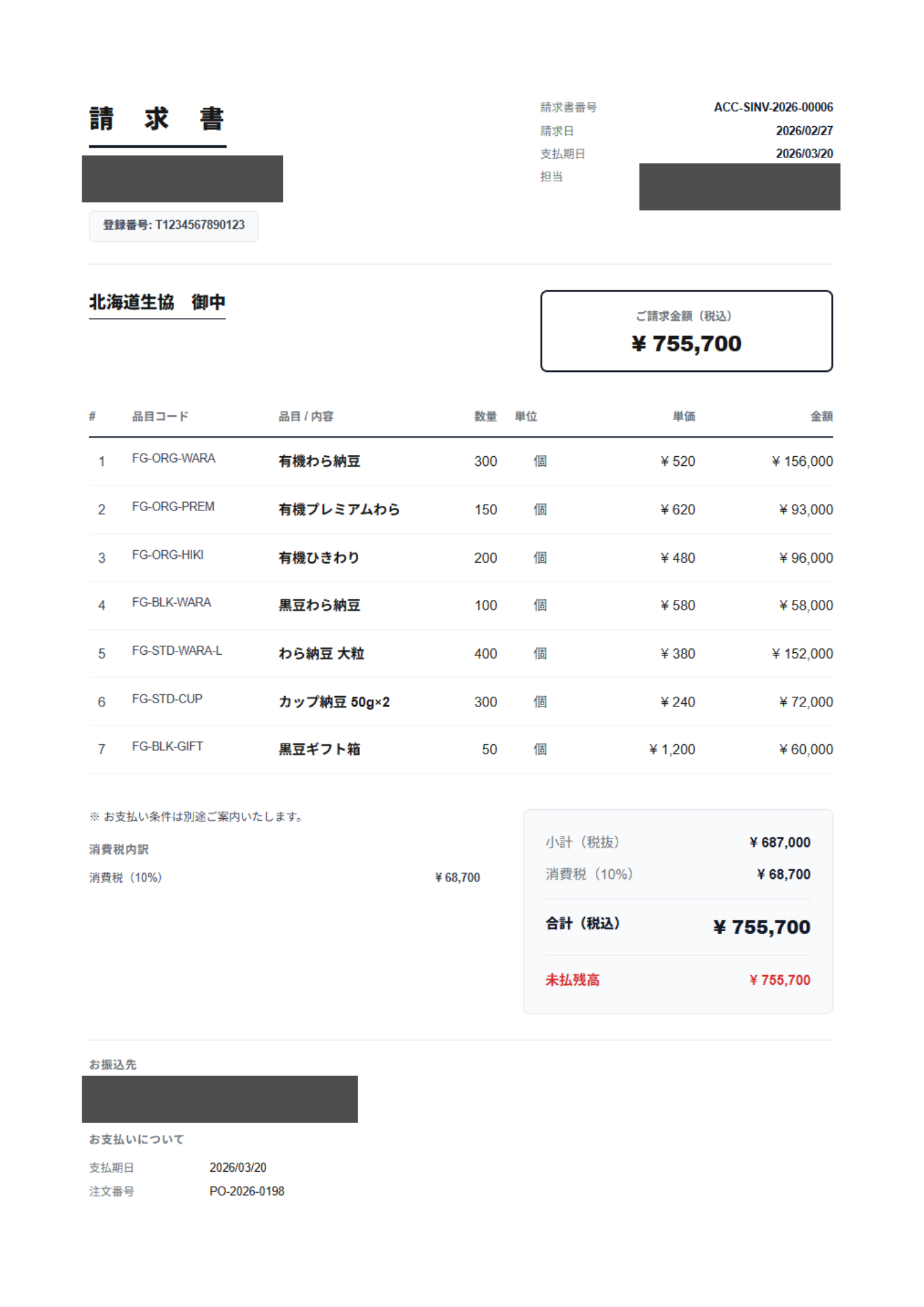
In other words, these issues are not because "ERPNext cannot be used", Localization tailored to the Japanese market is necessary. That's the point.
ERPNext.JP has solved all of these issues. 💡
In the next section, we will explain in detail how we are solving this problem.
3. ERPNext.JP is ready to use right away
MyHaTch's "ERPNext.JP Cloud Service" is
It is designed to be used by Japanese companies immediately, safely, and at low cost.
💰 Outstanding cost performance — own the source outright
The full source code is handed over — own the system as your asset (verify with a fixed-scope PoC first; hands-on support and a maintenance subscription are available). If you'd rather have us run the servers, an optional managed cloud plan is available. Contact us for pricing.
📦 Abundant standard features at no extra cost
Support for document formats and invoices, which are often treated as options by other companies, Included as standard at no extra charge. No hidden costs.
🔧 Flexibility comparable to high-performance ERP systems
Safe and customizable based on Python/JS. What is "customization that won't break"? ⤴ ). Its customization options and scalability to match business workflows are on par with major ERP systems.
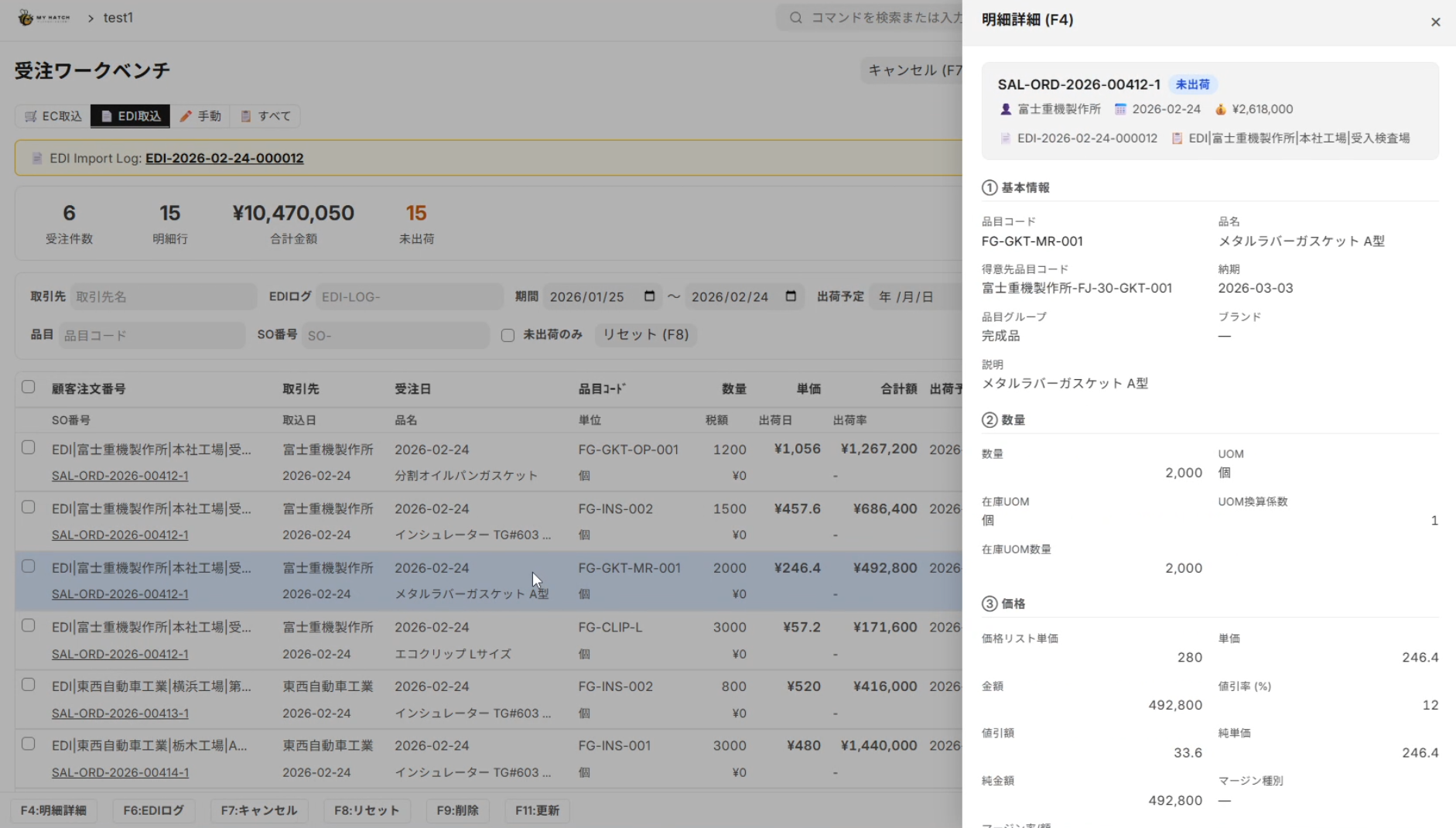
🗾 Fully compliant with Japanese business practices
Tax templates compatible with consumption tax, reduced tax rates, and the invoice system. All Japanese-style invoice and delivery note formats are included as standard.
🌐 Stable and fast on domestic servers
Operated in the Tokyo region's cloud environment. It provides high-speed access from within Japan and stable operation.
🤝 Comprehensive implementation and operational support
To make it easy for even small and medium-sized enterprises to get started, We offer free consultations, demo environments, and operational support.
🚀 Why not try it for free for 14 days?
A demo environment can be issued in 1 minute. No credit card is required.
4. Compare it with other companies' ERP systems.
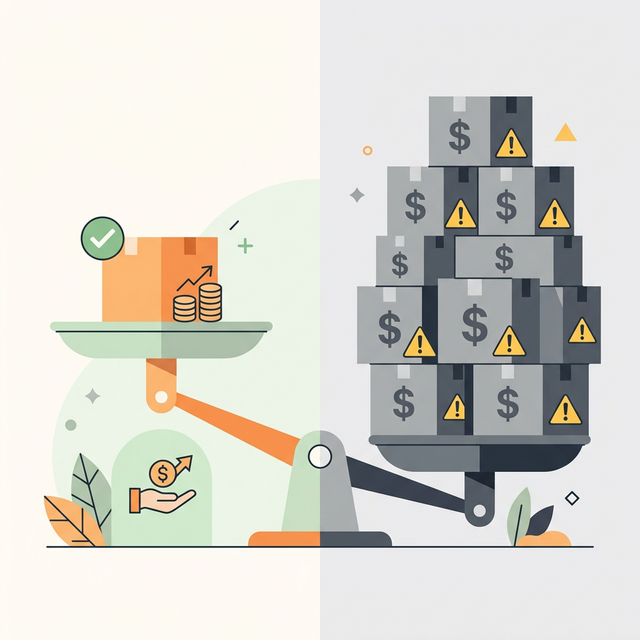
"Overall, ERPNext.JP offers the best cost performance." This is a common comment we receive from companies that have implemented our system.
| ERPNext.JP | General Cloud ERP | Packaged ERP | |
|---|---|---|---|
| Monthly Fee | No monthly license fee (optional maintenance subscription) | From 300,000 Yen | From 500,000 Yen |
| Initial Costs | Full source handed over (own it) — contact us for pricing | From 1 million yen | From 5 million yen |
| Customization | ◎ Freedom with OSS base | △ Limited | ○ Additional cost |
| Japanese Language Support | ◎ Fully Supported | ◎ | ◎ |
| Free Trial | 14 Days | 7-14 Days | None |
| Implementation Period | 1-3 Months | 3-6 Months | 6 Months or More |
| Invoice Compatible | ◎ Standard Included | △ Optional | ○ Additional Cost |
Comparing ERP implementation costs over a 5-year period…
ERPNext.JP: initial implementation + optional maintenance only (no per-user billing; contact us for pricing)
Typical cloud ERP: Approximately 19 million yen and up (1 million yen initial + 300,000 yen per month x 60 months)
Package type: Approximately 35 million yen and up (5 million yen initial + 500,000 yen per month x 60 months)
With ERPNext.JP the system remains your asset, and no license fees keep accumulating after implementation.
5. Getting Started — The best way to start is to try it out.

ERPNext is a feature-rich ERP system, but the best way to get to know it is to try it out. MyHaTch has prepared the following steps to help Japanese companies make informed decisions about implementing it.
Step 1
Free consultation and demo experience
Our expert staff will interview you to determine if ERPNext is right for your company. We will then provide a detailed explanation using a demo screen.
Step 2
14-day demo environment
We provide a dedicated test environment for your company. You can experience whether it's truly usable with actual business data.
Step 3
Phased deployment to full production
Start with a few areas, such as sales management and accounting, and gradually expand to inventory, manufacturing, and human resources.
Step 4
Operational support and customization
We provide ongoing support, including additional development tailored to the Japanese market and operational consultations, even after implementation. You can continue using it with peace of mind.
6. Related Articles
summary
ERPNext is a proven open-source ERP system that has been implemented in over 30,000 companies worldwide. There are challenges unique to Japan, such as tax systems, forms, and translation, ERPNext.JP solves all of these problems. You can own the full source as your asset (starting from a fixed-scope PoC), and an optional managed cloud plan is available. Contact us for pricing.
Why not try ERPNext for free first?
✅ Demo environment issued in 1 minute
✅ No credit card required
✅ You can try all features for 14 days.
Related articles
 8 min
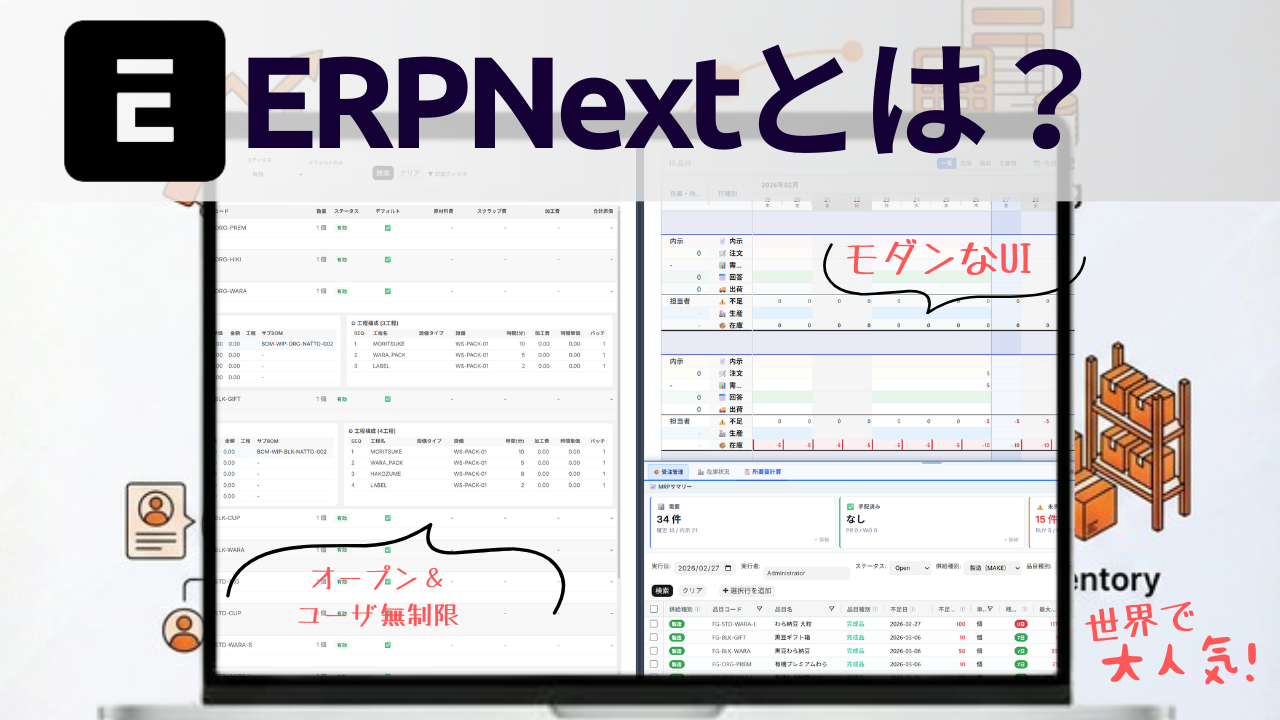
8 minUnderstand ERPNext in 3 minutes — the big picture of an open-source ERP
What ERPNext is and what business areas it covers, in three minutes. We cover module structure, how to read the official docs, and how to get started — pitched at first-time visitors.
 7 min
7 minERPNext.JP Implementation Cost Guide | Own the Source as Your Asset
We reveal ERPNext.JP's cost structure: the full source code is handed over so you own the system as your asset. Includes a comparison of four major ERP systems. Contact us for pricing.
 7 min
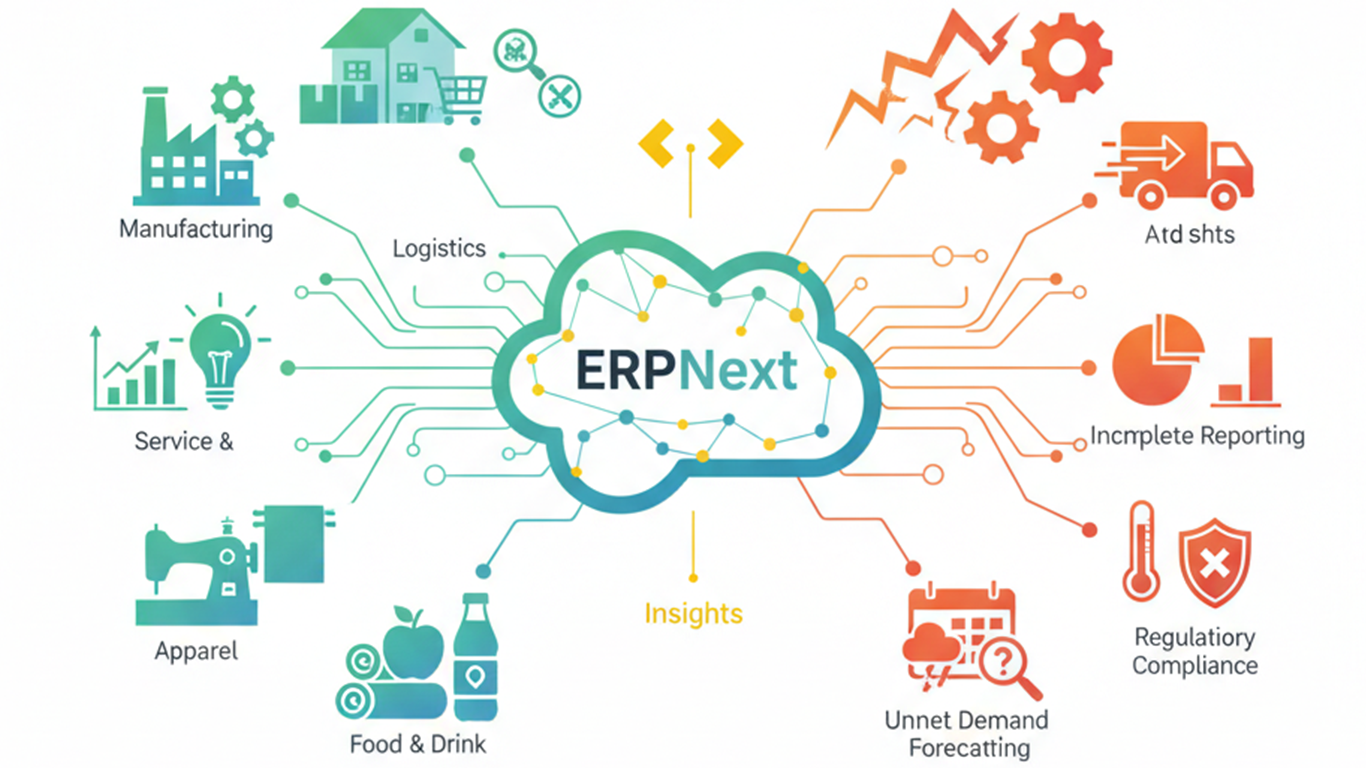
7 minWhy ERPNext is effective for food processing and parts manufacturing companies — Industry-specific fit analysis
This article explains why ERPNext is particularly strong in the food processing industry (e-commerce, fax, and direct sales) and the automotive parts manufacturing industry, using a table that aligns implemented features with industry-specific challenges. Please use this as a basis for your implementation decision.